A major milestone in cell therapy for solid tumours.
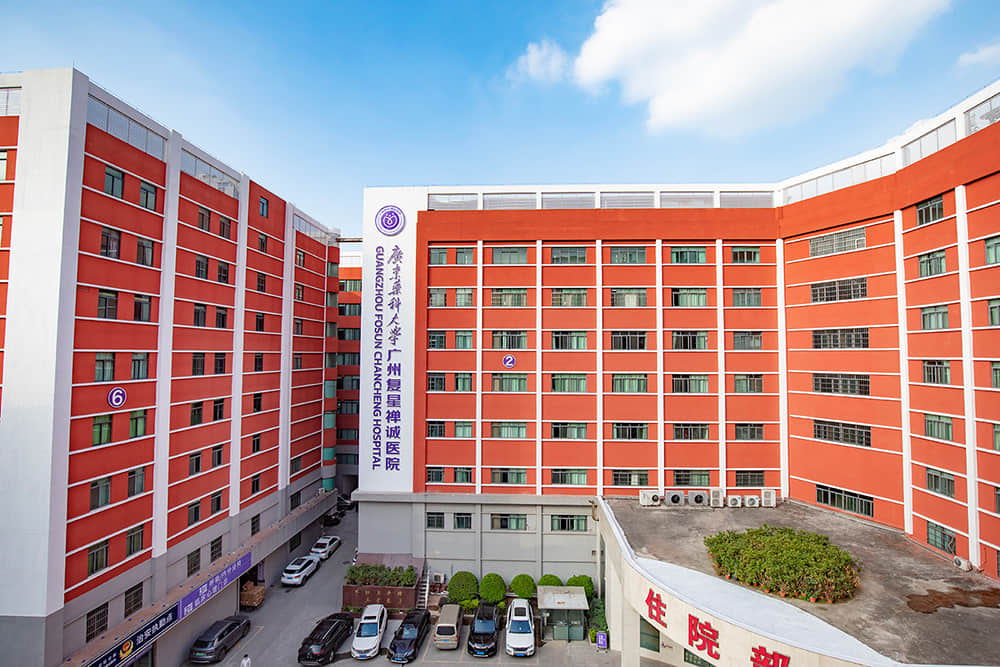
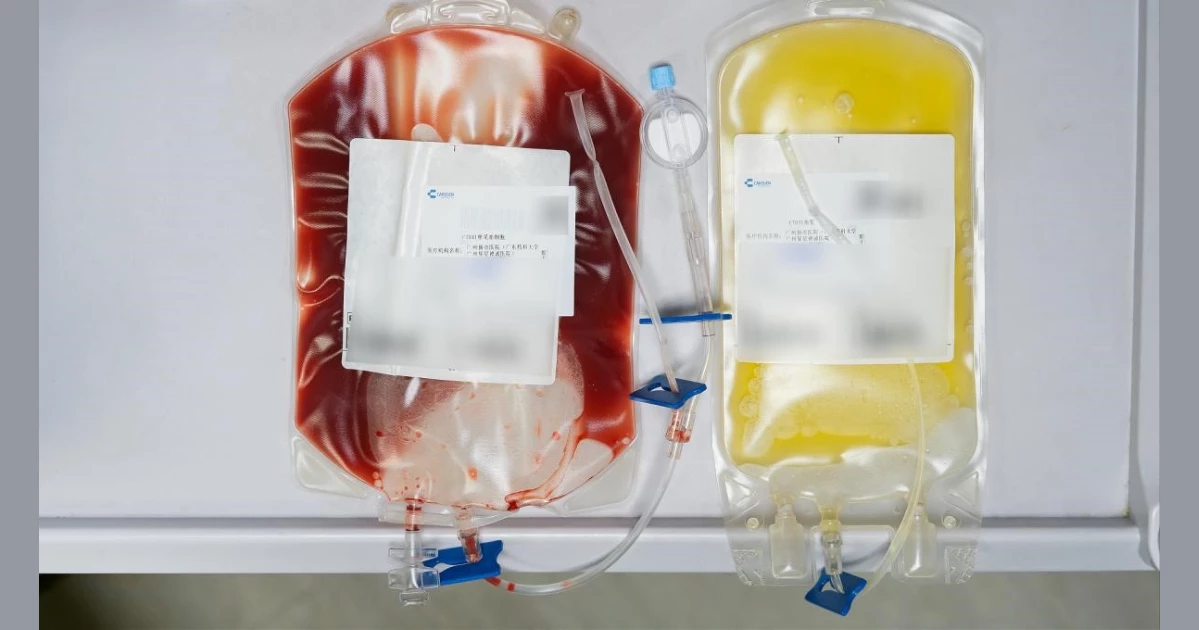
In July 2026, Guangzhou Xinshi Hospital — also known as Guangdong Pharmaceutical University Guangzhou Fosun Chancheng Hospital and part of Fosun Health — reported completing cell collection for the first gastric-cancer patient in the Greater Bay Area to enter the Kailimei® treatment pathway. Kailimei® is the brand name of satricabtagene autoleucel injection (satri-cel; development code CT041), the first CAR-T product approved for a solid-tumour indication.
CAR-T therapies have long been used mainly for selected blood cancers. The approval of satri-cel in China opens a new treatment option for a defined group of patients with advanced gastric or gastro-oesophageal junction adenocarcinoma.
From overseas treatment to a personalised cell-therapy pathway
The patient had reportedly received 10 cycles of chemotherapy and targeted therapy overseas with limited treatment response. After multidisciplinary evaluation and pre-treatment optimisation at the Guangzhou hospital, the patient completed cell collection and moved into personalised cell manufacturing and treatment preparation.
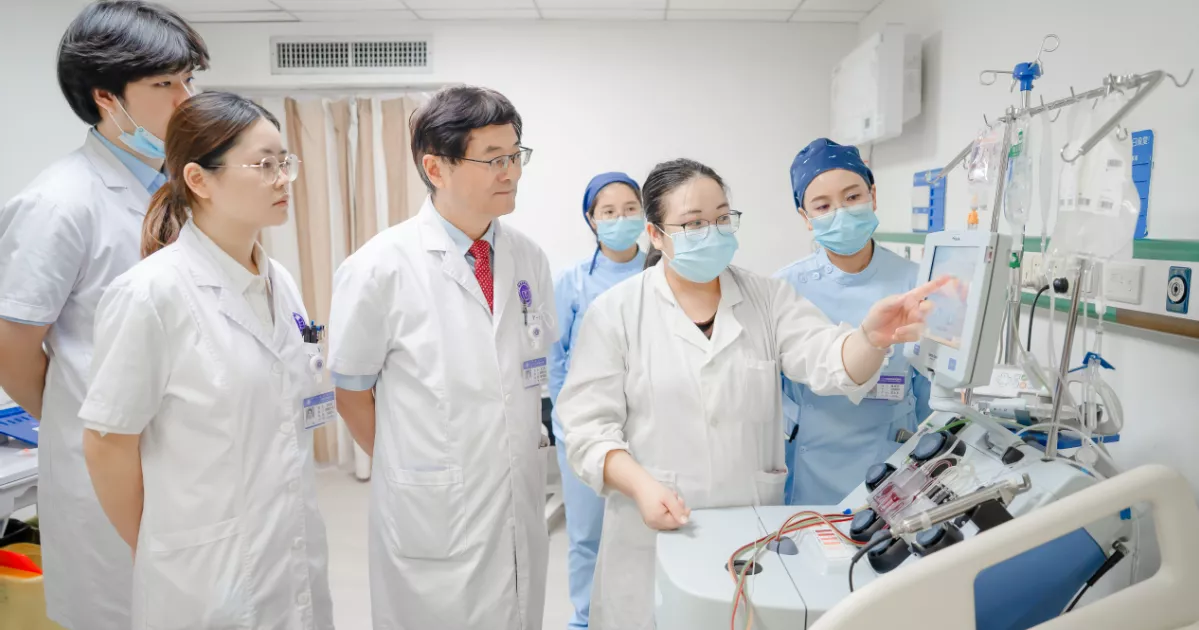
Professor Chen Tao, Director of the hospital’s International Medical Center, was cited in the published case report describing the clinical implementation of this treatment pathway.
Who the current approval applies to
Satri-cel is approved in China for patients with CLDN18.2-positive, HER2-negative advanced gastric or gastro-oesophageal junction adenocarcinoma whose disease has progressed after at least two prior lines of therapy. A gastric-cancer diagnosis alone does not establish eligibility. Biomarker testing, clinical condition, previous treatments and a specialist assessment are required.
Full-cycle CAR-T coordination
CAR-T treatment for solid tumours requires rigorous patient screening, cross-specialty teamwork, manufacturing coordination, risk control and long-term follow-up. Fosun Health describes a closed-loop care pathway supported by an international multidisciplinary team:
- Clinical assessment and biomarker review
- Cell collection
- Personalised cell-manufacturing coordination
- Pre-infusion preparation
- Real-time monitoring during treatment
- Long-term patient follow-up
Completing cell collection is an important first step, but it is not the same as receiving the infusion or achieving a clinical response. Manufacturing, pre-infusion treatment and monitoring must still be completed under the treating team’s supervision.
A China-originated therapy entering clinical use
This case marks the real-world clinical roll-out of a China-originated CAR-T therapy for a solid-tumour indication. Fosun Health says it will continue developing integrated cell-therapy capabilities for both haematological malignancies and solid tumours, with the aim of helping eligible international patients access advanced medical resources in China.
References
- New Express: Greater Bay Area’s first satri-cel patient cell collection, 31 July 2026
- CARsgen Therapeutics: NMPA approval of satri-cel, 22 June 2026
- Qi C, et al. Satri-cel versus treatment of physician’s choice for advanced gastric or gastro-oesophageal junction cancer. The Lancet, 2025
- United News of Bangladesh (UNB): Fosun Health launches world’s first approved solid tumor CAR-T therapy, 8 September 2026
This content is for educational purposes only and does not constitute medical advice. Please consult a licensed physician for health-related concerns. This website does not provide diagnosis, prescriptions or medical treatment.