
China offers international patients access to large tertiary hospitals, specialist teams and selected advanced technologies. The right pathway, however, depends on diagnosis, medical eligibility, hospital acceptance and the immigration rules that apply where you submit your visa application. This guide explains the process without promising treatment acceptance, a visa or a clinical outcome.
Why consider China for your medical journey?
Selected Grade-3 Class-A hospitals and specialist centres may evaluate international patients for complex care. Availability varies by institution, diagnosis and regulatory status.
- Complex and advanced oncology: multidisciplinary review for difficult or late-stage cancers, with plans based on pathology, biomarkers, prior treatment and current fitness.
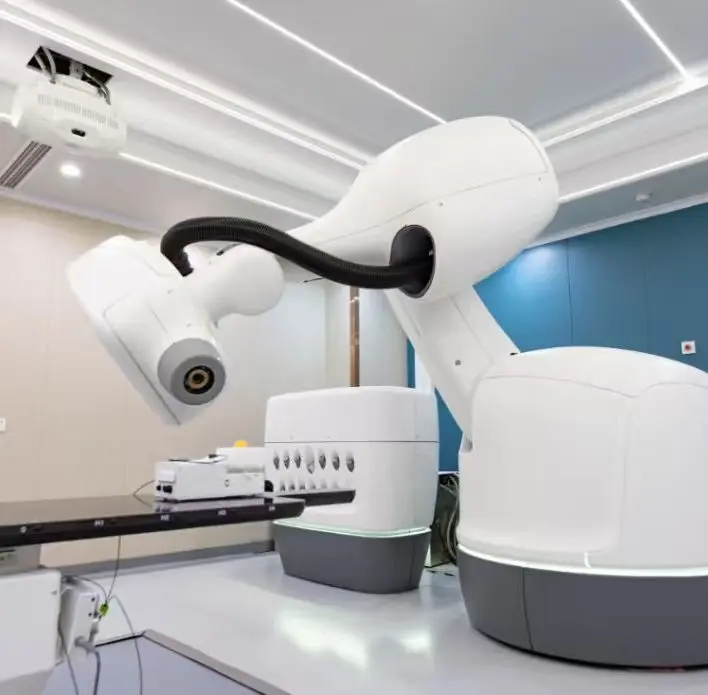
- Proton and heavy-ion radiotherapy: particle therapy at licensed centres for carefully selected tumours. It is not automatically preferable for every cancer.
- CAR-T cell therapy: approved products for specific indications and registered clinical studies for other uses. Eligibility requires specialist assessment; an enquiry does not guarantee treatment.
- Stem-cell approaches: access should be limited to NMPA-approved products for their approved indications or properly authorised clinical research. Be cautious of broad claims for chronic or degenerative diseases.
- Traditional Chinese medicine: qualified teams may use TCM as supportive or integrative care for symptoms, rehabilitation or quality of life. It should not replace indicated evidence-based treatment.
Protecting your medical information
Medical records, identity documents and diagnostic images are sensitive. Ask for a designated transfer channel, confirm which hospital or specialist will receive the files, and provide consent before records are shared. Send only information needed for assessment, remove irrelevant identifiers where practical, and ask how files will be stored and retained. Do not place medical records or passport details in public comments or open social-media posts.
Step-by-step medical and visa process
Phase 1: Case submission and medical evaluation
Step 1: Prepare and submit a structured medical profile. A useful case package normally includes:
- Recent diagnostic imaging, preferably original DICOM files plus radiology reports
- Pathology reports, laboratory results and relevant biomarker or genetic tests
- A concise medical history and current diagnosis
- History of the present illness, symptoms and disease progression
- Previous surgery, radiotherapy, systemic therapy and medication records
- Current medicines, allergies, performance status and major co-existing conditions
- Your treatment goals, preferred travel window and language needs
Step 2: Remote specialist review. Chinamedtravel can help organise record translation, hospital matching and an online consultation where available. The specialist may request further tests before advising whether an in-person assessment is appropriate. Ask for a written summary covering the proposed department, likely next steps, important risks, alternatives, estimated timing and a cost range. A remote opinion is not a final diagnosis or admission decision.
Phase 2: Hospital acceptance and supporting documents
Step 3: Confirm the proposed pathway. If a hospital agrees that evaluation or treatment in China is appropriate, request written documentation that identifies the patient, hospital, proposed purpose of travel and expected dates. Depending on the hospital and the requirements of the application location, this may be called a medical invitation, acceptance letter, appointment confirmation or treatment plan. Document names and availability vary, and the hospital may decline or revise a plan after reviewing the case.
Phase 3: Visa preparation
Step 4: Verify the correct visa category before applying. People often use the phrase “Chinese medical visa,” but China’s official visa list does not present a universal visa category with that exact name. The official instructions describe S2 for short stays involving family visits or other private matters; how medical treatment is classified and which supporting materials are required must be confirmed with the Chinese embassy, consulate or China Visa Application Service Center responsible for your place of application.
Start with the official China Online Visa Processing System and the website of the relevant mission. A hospital letter can support the stated purpose of travel, but it does not guarantee acceptance, faster processing, a particular visa type or entry at the border.
Your local checklist may include a valid passport, application form and photo, proof of lawful residence if applying outside your country of nationality, hospital documentation, treatment and accommodation details, evidence of funds or insurance, and documents for an accompanying person. Requirements and processing times change. Do not purchase non-refundable travel until the responsible authority has confirmed the process and the visa has been issued.
Phase 4: Arrival, treatment and follow-up
Step 5: Confirm arrival and local coordination. Before departure, obtain the hospital address, appointment time, named contact, interpreter arrangements, estimated deposit and emergency instructions. Airport pick-up and accommodation assistance are available only when specifically confirmed in writing.

Step 6: Complete in-person assessment and admission. The treating team may repeat examinations, imaging or laboratory tests before finalising the plan. Findings made in person can change the recommended treatment, schedule or cost.
Step 7: Receive treatment and recovery support. Treatment must be delivered by the licensed hospital under its clinical protocols. Ask how adverse events, interpretation, payment, consent and communication with your home-country doctor will be managed.
Step 8: Plan discharge and long-term follow-up. Before leaving, request discharge summaries, imaging and laboratory results, prescriptions with generic drug names, warning signs, follow-up dates and a contact route for questions. Remote follow-up is subject to clinician availability, platform rules and the laws that apply in both locations.
Ready to explore your options? The Chinamedtravel Team can help organise a confidential case intake, hospital matching, document preparation and local coordination. Contact the team for an initial case review, while remembering that hospital acceptance, visa decisions and treatment outcomes cannot be guaranteed.
Medical and travel notice: This guide is general educational information, not medical, immigration or legal advice. Visa rules can change, and only Chinese authorities decide applications and entry. Treatment suitability and availability can be determined only by a licensed hospital after individual assessment.
References
- Ministry of Foreign Affairs of China: Visa Application Instructions of the People’s Republic of China, updated 6 August 2026
- Ministry of Foreign Affairs of China: China Online Visa Processing System
- National Medical Products Administration: Amimestrocel Injection Approved with Conditions for Marketing
- National Medical Products Administration: Ciltacabtagene Autoleucel Injection Approved for Marketing
- National Health Commission of China: Adjustment to the 14th Five-Year Plan for proton and heavy-ion radiotherapy systems
This content is for educational purposes only and does not constitute medical advice. Please consult a licensed physician for health-related concerns. This website does not provide diagnosis, prescriptions or medical treatment.