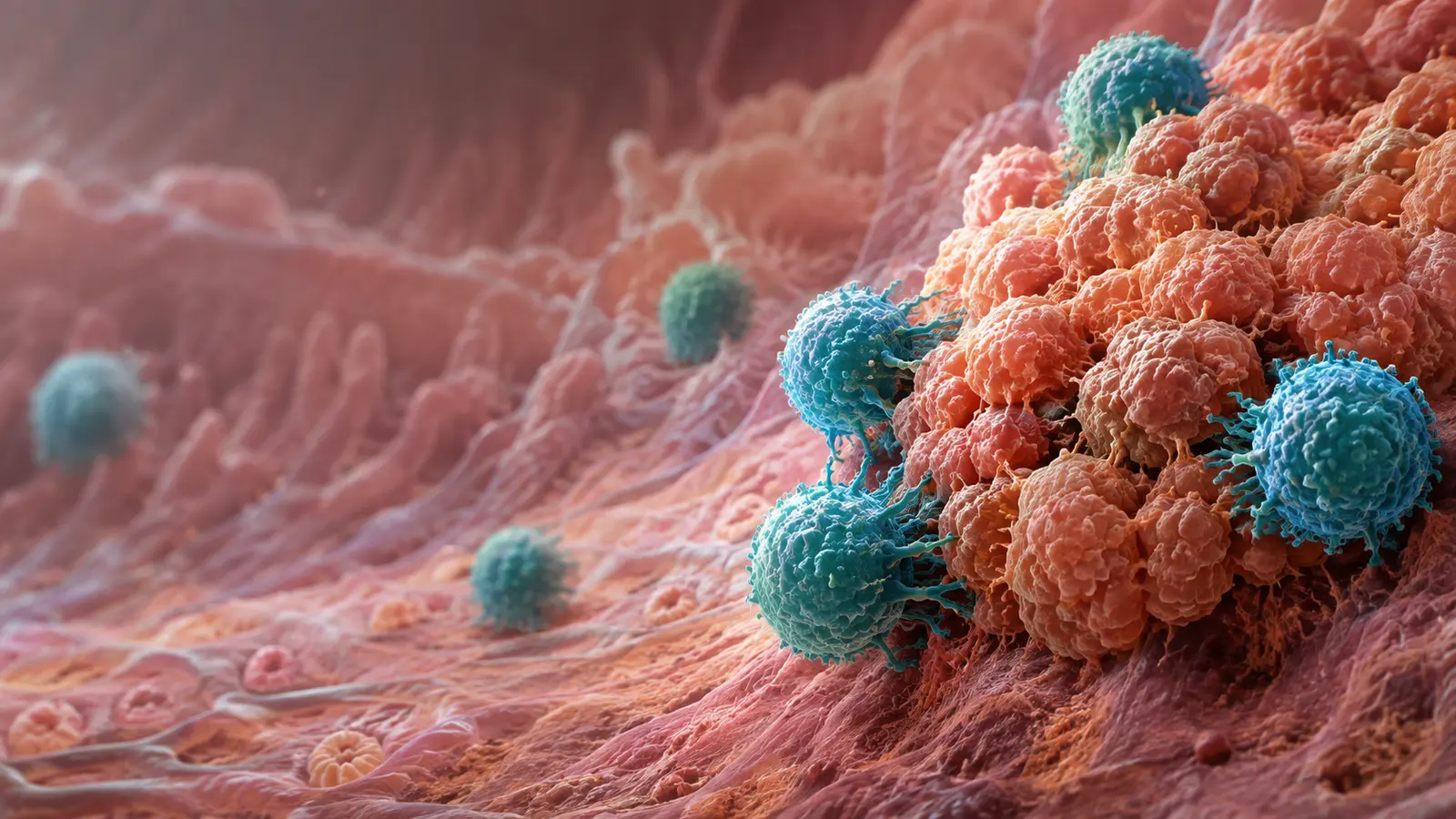
When talking about CAR-T therapy, most people associate it with hematological malignancies. For a long time, CAR-T faced massive obstacles in solid tumors due to the suppressive tumor microenvironment.
Gastric cancer is one of the most common malignant solid tumors. Patients with advanced disease have limited treatment options after second-line therapy and urgently need better survival solutions.
With the approval of Satricel (CT041), the world’s first CAR-T product indicated for solid tumors has become available for gastric cancer treatment. In this article, we systematically sort out key targets, landmark clinical data, eligible patient groups and existing challenges of CAR-T therapy for gastric cancer.
The Core Target for CAR-T Therapy in Gastric Cancer: CLDN18.2
Among all candidate targets, Claudin 18.2 (CLDN18.2) is the most validated target and the only one that enabled the launch of an approved CAR-T therapy.
Population
40%–70% patients with gastric/gastroesophageal junction adenocarcinoma test CLDN18.2 positive.
Advantage
This protein is predominantly expressed on tumor cells, with minimal expression in healthy tissues, which lowers the risk of off-tumor side effects.
Patient screening
Mainly applicable to HER2-negative advanced gastric cancer patients.
Other targets including HER2, CEA, Mesothelin (MSLN) and CDH17 are under early-phase CAR-T trials. However, most remain in Phase I with limited efficacy and no commercial products available yet.
The World’s First Approved Solid Tumor CAR-T: Satricel (CT041) Core Clinical Data
Generic Name
Satricel (CT041, trade name: Kailimei®) Approved Indication: Advanced gastric/gastroesophageal junction adenocarcinoma, CLDN18.2 positive, HER2 negative, progressed after at least two lines of systemic therapy.
Phase I Trial (NCT03874897)
18 heavily pretreated advanced gastric cancer patients enrolled Objective Response Rate (ORR): 61.1%; Disease Control Rate (DCR): 83.3% Median Duration of Response: 6.4 months; Median Overall Survival: 9.5 months
Safety highlight
Most Cytokine Release Syndrome (CRS) was mild. No severe Immune Effector Cell-Associated Neurotoxicity Syndrome (ICANS) observed.
Landmark Phase II Randomized Controlled Trial (Published in The Lancet)
156 advanced gastric cancer patients; over 65% suffered peritoneal metastasis, a condition with poor prognosis.
ORR
41% in CAR-T group vs 4% in conventional chemotherapy group
Median OS
7.92 months vs 5.49 months
Compared with standard later-line chemotherapy, CT041 significantly reduces risks of disease progression and death.
Special Population: Gastric Cancer with Peritoneal Metastasis
Long-term follow-up data show that some refractory patients with extensive peritoneal metastasis and malignant ascites achieved significant tumor shrinkage after CT041 infusion. A small number of patients attained long-term survival and even opportunities for curative conversion surgery.
Safety Profile: Adverse Reactions of CAR-T Therapy for Gastric Cancer
Many people worry about severe side effects based on knowledge of CAR-T for blood cancers. CLDN18.2 CAR-T for gastric cancer displays a different safety profile:
Cytokine Release Syndrome (CRS)
Mostly Grade 1–2 with fever and fatigue; severe CRS is rare.
Severe ICANS
Very low incidence, a key advantage of CT041.
Cytopenia
Mainly caused by lymphodepletion chemotherapy before CAR-T infusion, generally reversible with supportive care.
Mild gastric mucosal injury in a small proportion of patients, manageable with symptomatic treatment.
Overall tolerability is better than most CAR-T therapies for hematological malignancies. No treatment-related deaths have been reported.
Standard Treatment Workflow of CAR-T for Gastric Cancer
Biomarker screening
Test CLDN18.2 and HER2 expression from tumor tissues to screen eligible patients.
Mononuclear Cell Collection
Collect the patient’s own peripheral T cells.
Ex vivo manufacturing
Genetically modify and expand CAR-T cells. Manufacturing takes around 2–3 weeks.
Lymphodepletion chemotherapy
Fludarabine + Cyclophosphamide.
CAR-T infusion. Close in-hospital monitoring for adverse reactions.
Objective Limitations of Current CAR-T Therapy for Gastric Cancer
CAR-T brings new hope for advanced gastric cancer, yet multiple challenges remain:
Biomarker limitation
Only CLDN18.2-positive patients qualify. Some tumors lose target expression and develop resistance after treatment.
Solid tumor barrier
Tumor fibrosis and immunosuppressive microenvironment prevent CAR-T cells from penetrating tumor tissue.
Waiting period
Cell manufacturing requires 2–3 weeks. Patients with rapidly progressing disease may miss the treatment window.
High treatment cost.
CAR-T targeting other antigens remain under clinical trials and are not routinely available.
Future Research Directions
Global researchers are exploring strategies to improve efficacy:
- CAR-T combined with PD-1/PD-L1 immune checkpoint inhibitors
- CAR-T plus chemotherapy or anti-angiogenic agents to remodel tumor microenvironment
- Intraperitoneal CAR-T infusion for peritoneal metastasis
- Next-generation armored CAR-T and off-the-shelf allogeneic UCAR-T development

Professor Chen Tao
Attending Physician · International Medical Center
Cancer immunotherapy for solid tumours, haematological malignancies and lymphoma
Guangzhou Xinshi Hospital (Guangdong Pharmaceutical University Guangzhou Fosun Chancheng Hospital)
References
- Qi C, et al. Claudin18.2-specific CAR T cells in gastrointestinal cancers: final phase 1 results. Nature Medicine. 2024. DOI: 10.1038/s41591-024-03037-z
- ClinicalTrials.gov: CT041-CG4006 (NCT03874897)
- Qi C, et al. Satri-cel versus treatment of physician’s choice for advanced gastric or gastro-oesophageal junction cancer (CT041-ST-01). The Lancet. 2025;405:2049–2060. DOI: 10.1016/S0140-6736(25)00860-8
- ClinicalTrials.gov: CT041-ST-01 (NCT04581473)
- Shanghai Pudong Government: NMPA approval of satri-cel for CLDN18.2-positive, HER2-negative advanced gastric/GEJ cancer, 22 June 2026
- Mullard A. CAR T cell therapy for solid cancer scores first approval in China. Nature Reviews Drug Discovery. 2026;25:583. DOI: 10.1038/d41573-026-00117-2
This content is for educational purposes only and does not constitute medical advice. Please consult a licensed physician for health-related concerns. This website does not provide diagnosis, prescriptions or medical treatment.