PATIENT SUPPORT CASE
An 11,000-Kilometer Journey: 3D-Assisted Spine Surgery in Guangzhou
After years of living with a severe spinal deformity following a road accident, a young man from Burkina Faso and his family sought specialist help in Guangzhou. In the account shared with ChinaMedTravel, surgery helped him lie flat and sit more upright in his wheelchair.
- Patient
- Karr, 25 · pseudonym
- From
- Burkina Faso, West Africa
- Care in China
- Guangzhou Xinshi Hospital · Guangzhou
01 · Years of living with a spinal injury
In early adulthood, Karr’s life changed after a serious road accident in Burkina Faso. The account describes a thoracic spine fracture, spinal cord injury and severe deformity that developed after the fracture healed in an abnormal position. He lost the use of his lower limbs, and the shape of his spine also made it difficult to straighten his upper body while sitting in a wheelchair.
Even lying flat had become difficult. Years of physical discomfort affected everyday rest, movement and time with his family. The account recalls his frustration at being unable to find a workable treatment pathway close to home.
His search for specialist care took him to Tunisia, where he waited for three months without receiving the planned operation. The spinal deformity and persistent discomfort remained, and the family continued looking for another opinion.

02 · Finding a route to specialist care in China
A turning point came when Karr’s older brother learned about medical care in China through social media and contacted ChinaMedTravel. According to the family’s account, the team helped them understand the next steps for seeking an orthopedic assessment. They decided to travel more than 11,000 kilometers to Guangzhou.
At Guangzhou Xinshi Hospital, Dr. Xia Qi received Karr and discussed the impact the condition was having on his daily life. Dr. Ying Wenkui and Dr. Xia Qi worked with a multidisciplinary team on pre-operative examinations and case planning.
The supplied account describes a T8 fracture with malunion, an unstable fracture line and spinal cord compression. The aim of treatment was to address the spinal deformity and improve positioning and comfort. This was a complex case requiring individualized assessment and planning.
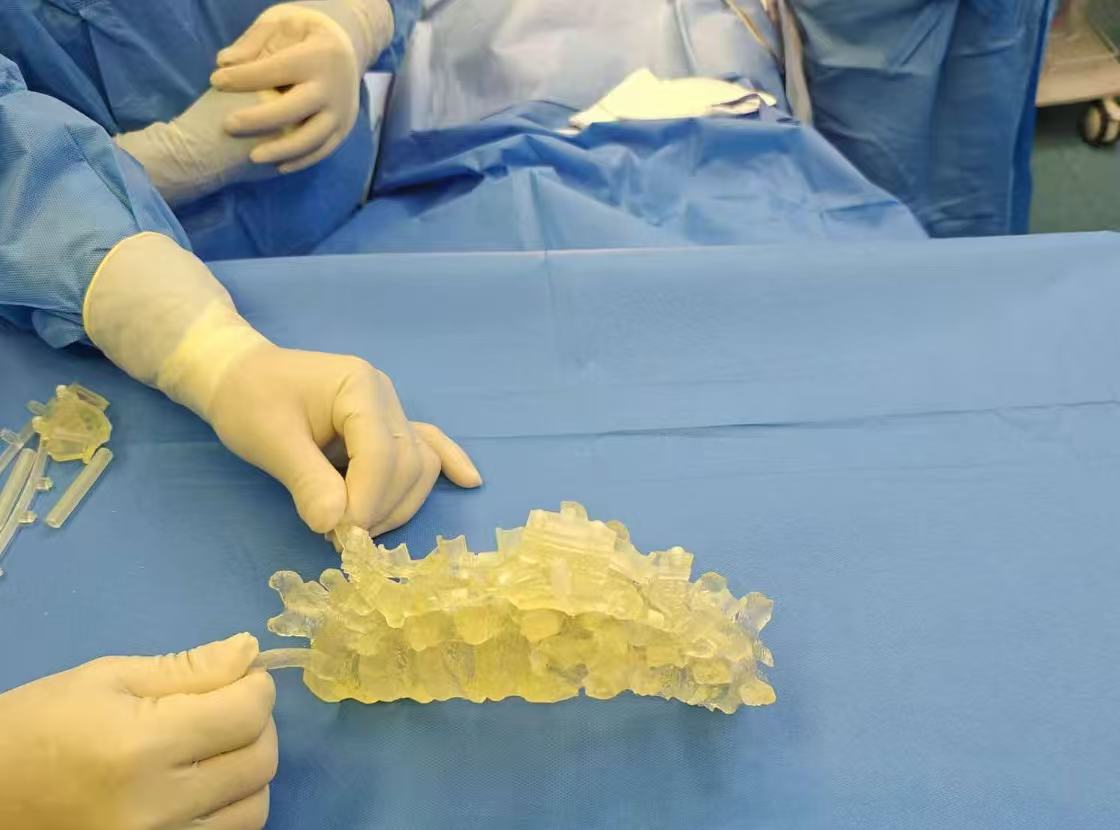
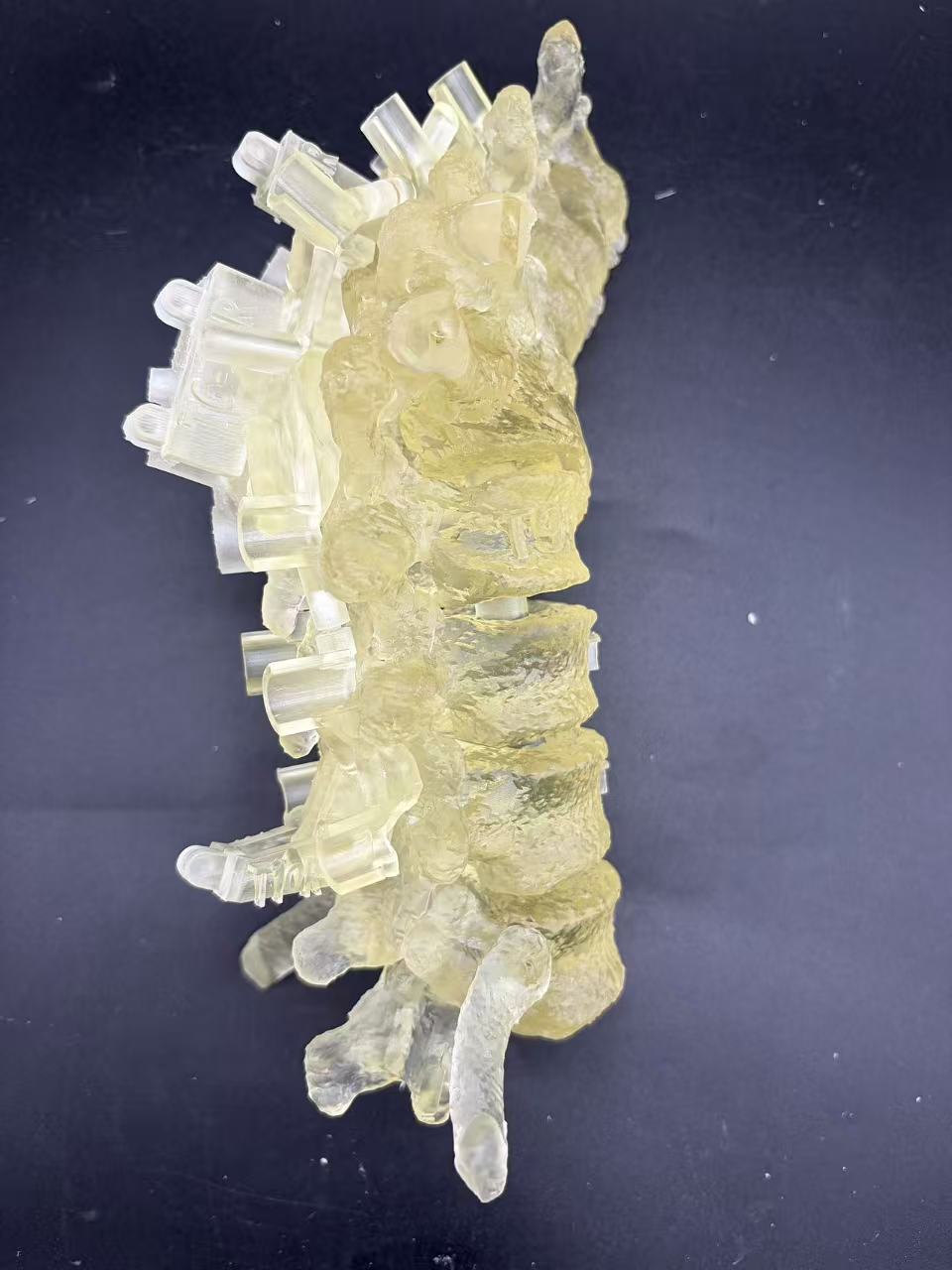
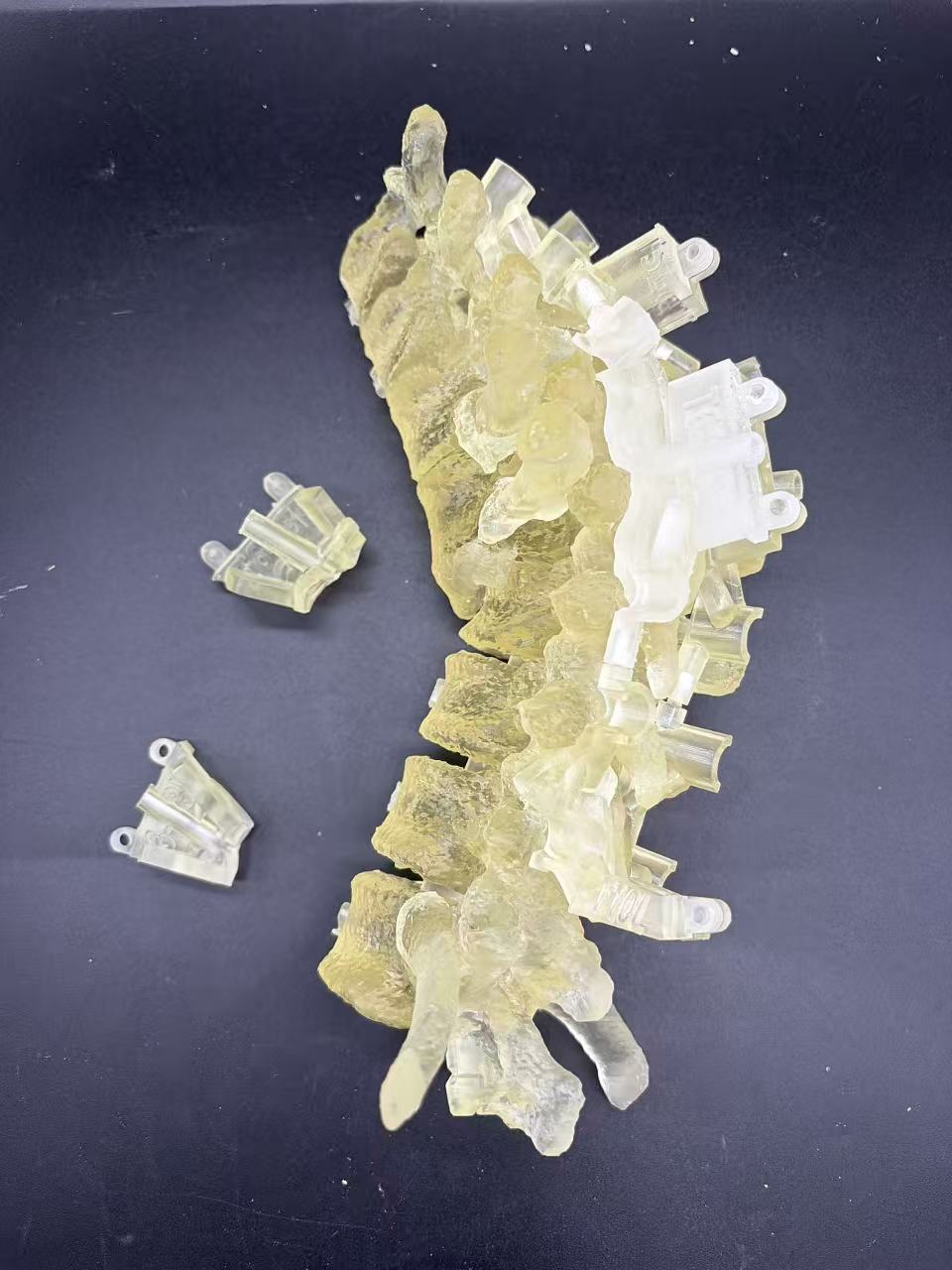
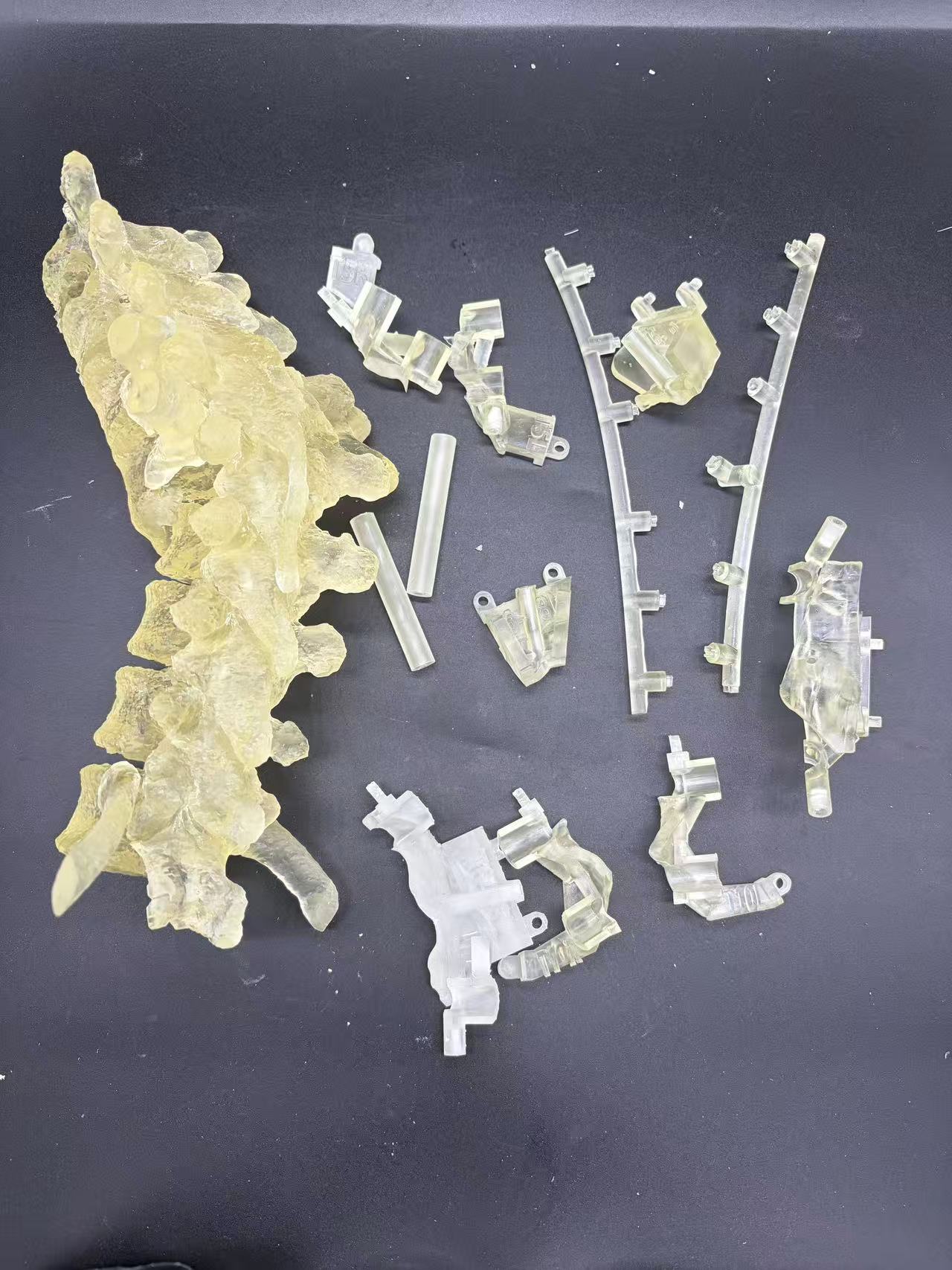
Using Karr’s CT data, the team created a full-scale, 3D-printed resin model of his spine. The model helped them study the anatomy, plan the correction and rehearse the procedure. The account also describes patient-specific guides for spinal screw positioning and a T8 osteotomy, prepared as part of that surgical plan.
03 · From planning to surgery
For this particular admission, the account reports that examinations, planning and the operation took place within one week. That timeline reflects the circumstances of this patient’s care and is not a standard waiting-time commitment for other patients.
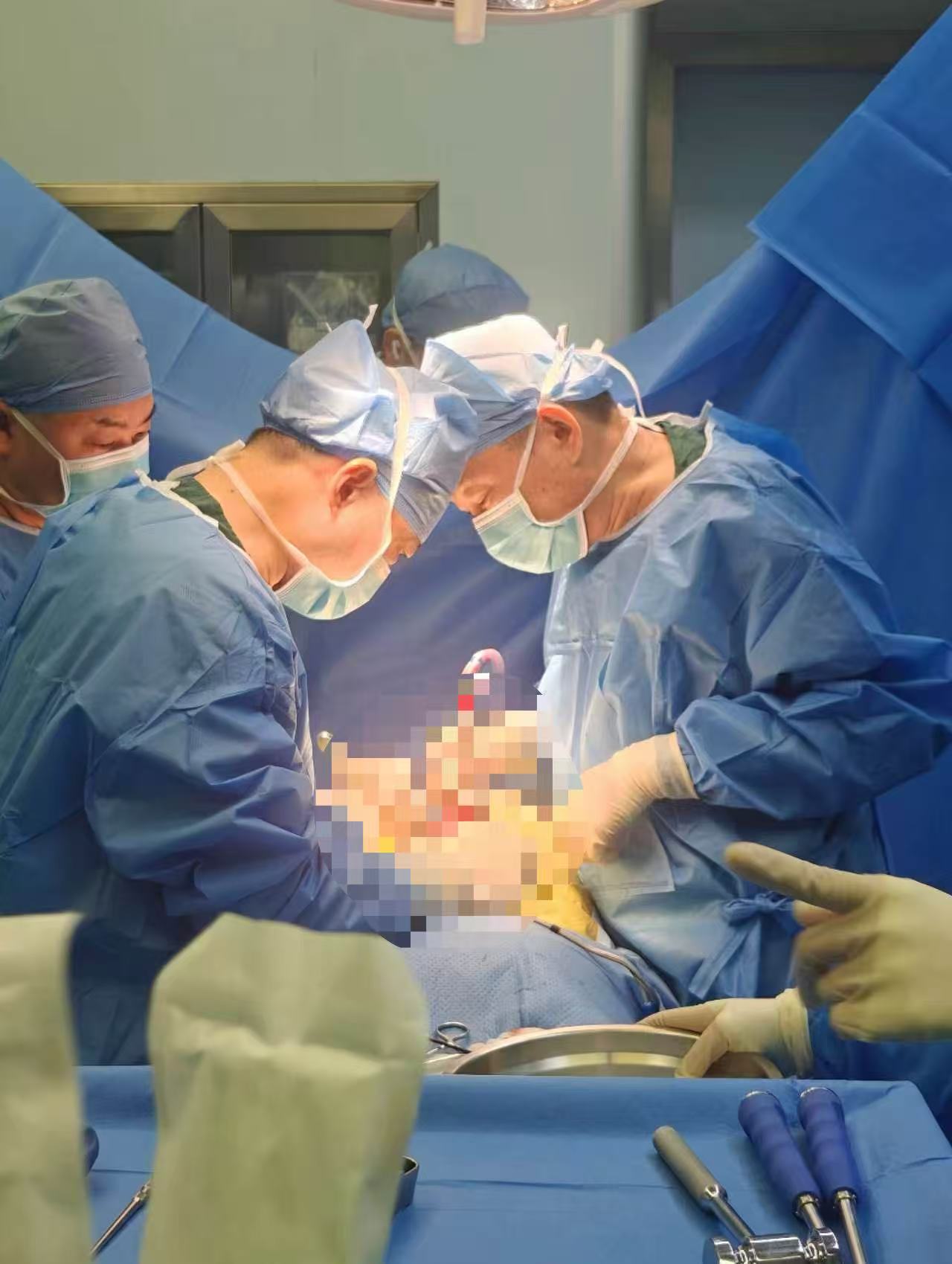
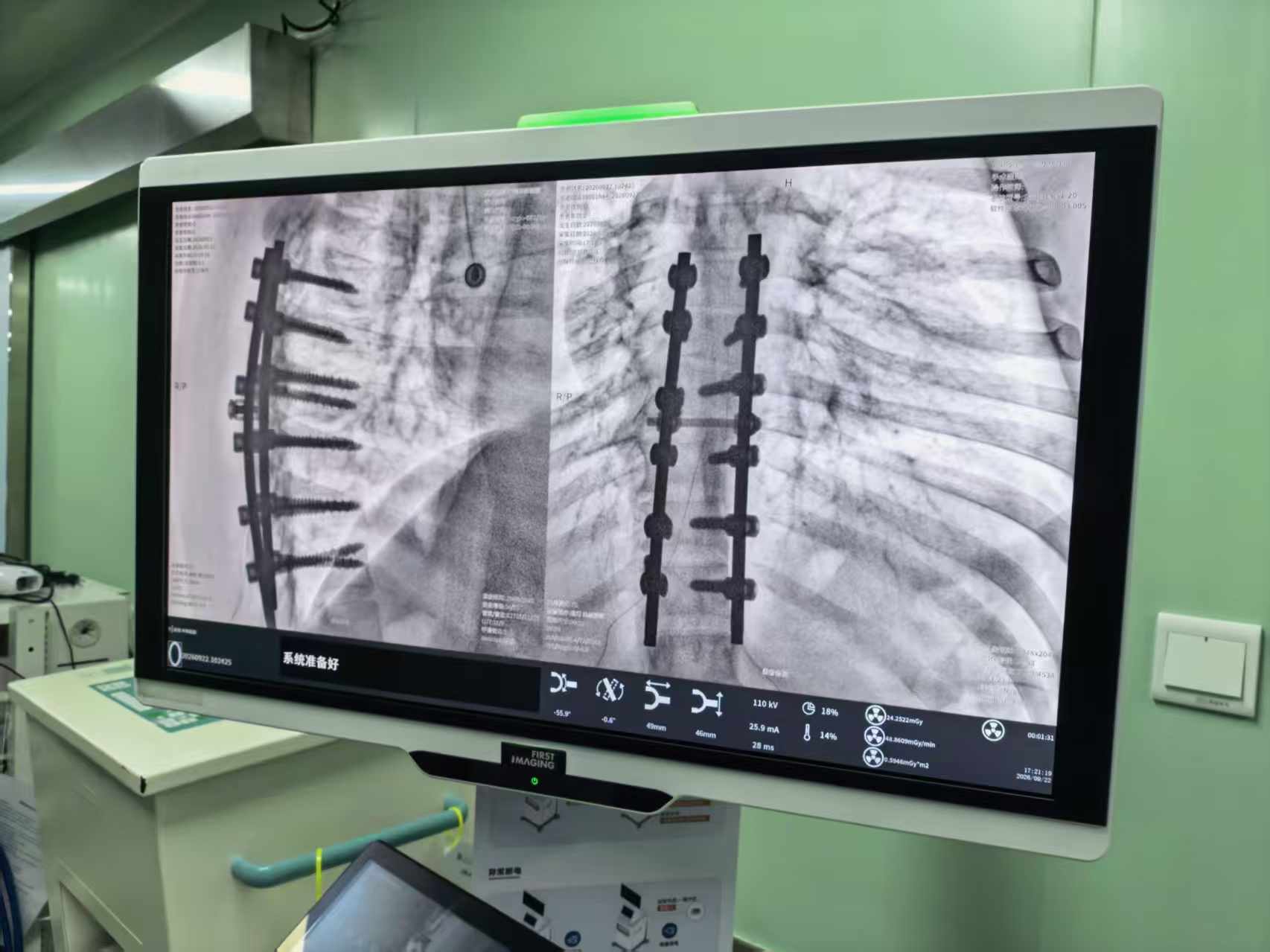
Dr. Ying Wenkui, Dr. Xia Qi and their colleagues carried out an operation lasting approximately seven hours. The procedure described in the account included osteotomy, decompression and internal fixation, using the 3D-printed guides to support screw placement.
Twelve screws were used as part of the fixation, according to the supplied account. The team corrected the severe deformity with the goal of allowing a more natural resting position and a straighter sitting posture.
After the operation, Karr was reported to have said, “It feels so good to finally lie flat.” The improvement described was in positioning and daily comfort; the account does not report that he regained the ability to walk.

04 · Care, rehabilitation and the next stage
Following surgery, Karr received nursing care and rehabilitation support. After his back stitches were removed, the family reported that he could lie flat more naturally, straighten his torso and push himself up in bed. He was also able to go outdoors in an electric wheelchair with his family.
At the stage described in the account, rehabilitation was continuing at the hospital. These changes represented meaningful improvements in his daily life, while his spinal cord injury and longer-term rehabilitation needs still required ongoing clinical care.
Any further treatment would depend on a fresh assessment by the treating specialists. Future rehabilitation or emerging technologies should not be taken as an assurance of neurological recovery or a return to walking.
The account closes with a gesture of thanks: Karr’s brother presented a traditional hat from their home region to Dr. Xia Qi. The family expressed appreciation for the medical care, rehabilitation and support they had received during the journey.
For ChinaMedTravel, this story illustrates the practical work of helping a family navigate a cross-border request for care: understanding the request, connecting with a hospital, preparing for travel and supporting communication along the way. The team’s stated principles are transparency, fairness and safety, with treatment decisions remaining with the patient and the treating clinical team.